

Growing More With Less
We embrace the best science in natural resource management and employ the latest agricultural innovations to sustainably maximize yields.


GLOBAL AGRICULTURE AT A GLANCE
A NEED FOR INNOVATION
The world’s population is projected to reach 11.2 billion by 2100 resulting in commensurate increases to demand for food. Further accelerating this demand, the expanding global economy and rising per capita income are expected to increase average calorie intake and shift food preferences towards more resource-intensive commodities including meat, fish, and dairy products. While demand for food is increasing, several critical factors jeopardize the future of food security.
Climate
Change
The frequency and severity of extreme weather events is increasing and already negatively affects yields in crop production, livestock rearing, and fisheries.
Land
Quality
On a global level, nearly all arable land is already being farmed and approximately one-third of this land is moderately to highly degraded.
Water
Scarcity
Globally, glacier recession, drought, and changing precipitation patterns are driving water scarcity, jeopardizing food security in many regions.
Agricultural
Technology
Given the limitations of land and water, food security hinges on increasing yields through investments and innovations in agricultural technology.
Credit: The above statistics were obtained from the Food and Agriculture Organization of the United Nations (FAO). Credit: FAO. 2018. The future of food and agriculture – Alternative pathways to 2050. Rome. 224 pp. Licence: CC BY-NC-SA 3.0 IGO. Retrieved from http://www.fao.org/3/I8429EN/i8429en.pdf.

AAM & California Agriculture
California’s Central Valley contains the world’s largest patch of class 1 soil; combined with the Valley’s hot mediterranean climate, it’s one of the most fertile regions on Earth. Given current trends, the importance of California’s agricultural lands is expected to increase in the coming decades. With over 2,000 acres of prime farmland and 13,000 acres of grazing lands, AAM is poised to capitalize on emerging trends.

AAM & PARTNERS
AAM and its partners hold decades of experience sustainably managing farmlands in California’s Central Valley. Our experience enables us to generate attractive returns on our investments.

INNOVATION
We understand the importance of innovations in agriculture. AAM embraces the best science and latest technology to adapt to and mitigate the impact of climate change while responsibly maximizing yields.

DOING OUR PART
Through sustainable land management strategies, we are reducing carbon emissions, increasing carbon sequestration, preserving sensitive habitat, and fortifying ecosystem services.
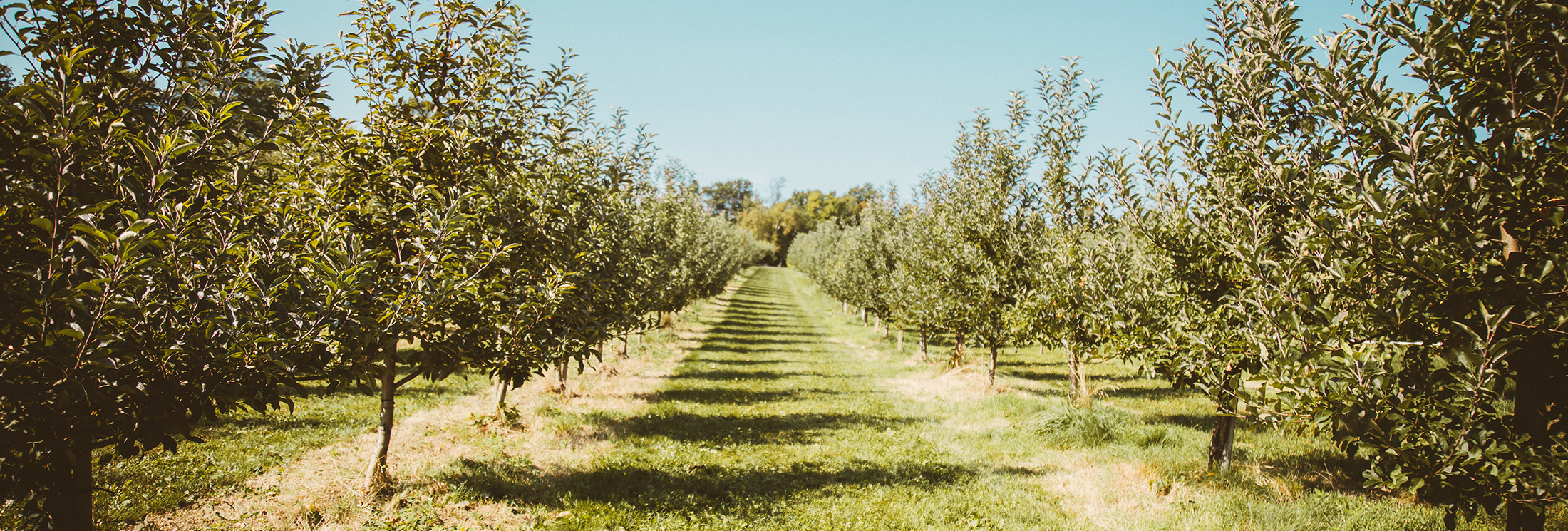
OUR FARMLANDS
AAM is committed to growing nutritious crops of the highest quality. We have partnered with other leading growers in the San Joaquin Valley to produce almonds and olives for export to both domestic and international markets.

ALMONDS
Delicious & Nutritious
California’s Mediterranean climate provides ideal conditions for growing almonds, and the state generates around 82 percent of global production. AAM and its partners started investing in almond production in 2014; we now oversee more than 1,500 acres.
NUTRITIONAL VALUE
Rich in protein, fiber, vitamin E, copper, magnesium, and calcium, the almond is one of the healthiest seeds. Almonds are also rich in monounsaturated fat, which helps the body maintain levels of (good) HDL cholesterol, and combat (bad) LDL cholesterol. The almond’s extraordinary health properties have been linked to heart health, diabetes prevention, and benefits to weight management.

OLIVES
A Drupe of Nutrients
Olive trees are hardy, drought resistant plants that thrive in the California climate. While Spain, Italy, and Greece are the world’s major olive producers, California is the only economically important olive growing state in the U.S.
NUTRITIONAL VALUE
Olives are one of the most nutrient-dense foods, containing large quantities of monounsaturated fat, phenolic antioxidants, and oleocanthal. Olives are also very high in vitamin-E and iron. These properties make olives an important food for heart health and proper brain functioning. Additionally, the presence of oleocanthal gives olives strong anti-inflammatory properties.

Irrigation Improvement Continuum
Increasing “crop per drop” with stringent irrigation management practices
With or without drought, Farmers in California have to implement irrigation technologies that make the most of limited water supplies. AAM adheres to irrigation management and scheduling practices defined in the Almond Irrigation Improvement Continuum, a comprehensive manual developed by the University of California Division of Agriculture and Natural Resources Cooperative Extension. In accordance with the guidelines set forth in the manual, AAM has invested in the latest irrigation technology, including advanced drip systems and micro-sprinklers. AAM strives to ensure that its irrigation strategies conserve water while optimizing almond and olive production and tree health, as well as protect ground and surface water from potential runoff or leaching of grower inputs.
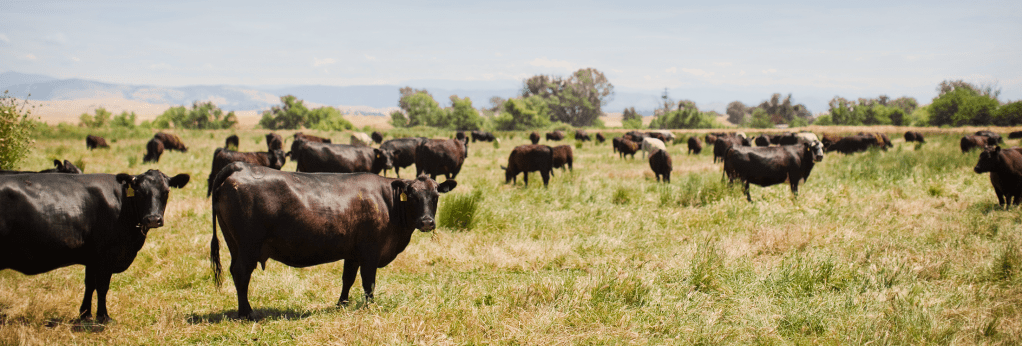
OUR GRAZING LANDS
In collaboration with leading environmental organizations, including The Nature Conservancy and the California Rangeland Trust, we have adopted responsible grazing practices that enhance grassland vitality.
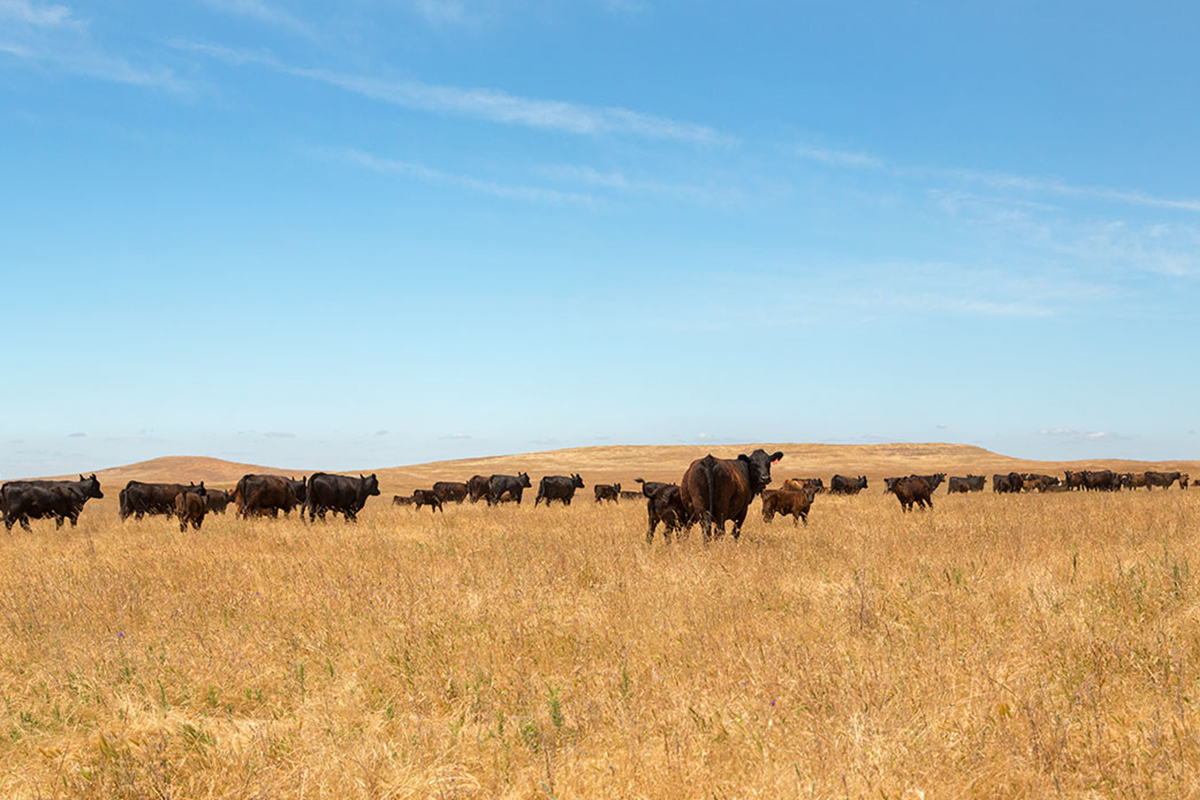
RANCHING
Managing Grasslands
We hold decades of experience in grassland management.
PRESERVING ECOSYSTEM SERVICES
Responsible grazing practices maintain the health of grassland ecosystems, improving soil quality with manure, preserving wildlife habitat, and increasing soil carbon sequestration capacity. AMM and its partners employ best management practices to preserve thousands of acres of grassland. In so doing, we offset the carbon footprint of our farming operations and ensure the long-term productivity of our grassland investments.

DIVERSIFIED AGRICULTURE
Spreading Out Risk
Where others see fields of grass, we see fields of opportunity.
PROACTIVE INVESTMENT STRATEGY
With threats like climate change, water scarcity, and air and water pollution, we believe that it is imperative to take proactive, rather than reactive measures to ensure long-term gains on our investments. For this reason, we have developed a robust revenue model founded on a diversified agricultural portfolio. Together with the best science in natural resource management and cutting-edge agricultural technology, we have built resilience into our investment strategy.
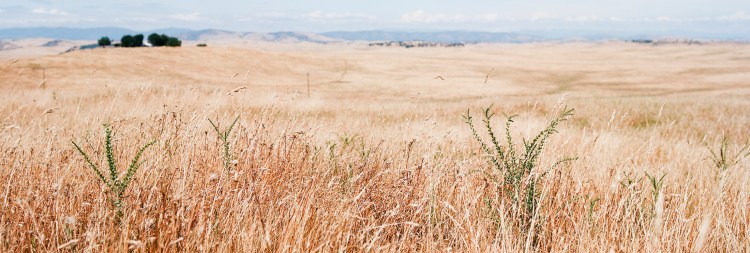
Agriculture & Environmental Stewardship
With over 5,000 acres of land in conservation easements, we have demonstrated a commitment to environmental stewardship and preservation of agriculture.

CONTACT
- Archimedes Asset Management, Inc.
- 1400 Newport Center Dr.
- Suite 275
- Newport Beach, CA 92660
- USA

ARCHIMEDES ASSET MANAGEMENT, INC.
Through responsible real estate investment management we help solve some of the Nation’s biggest problems.
 © 2020 Archimedes Asset Management. All Rights Reserved.